Matcha Benefits for Women
 Vytautas Butkus · Japanese culture & matcha expert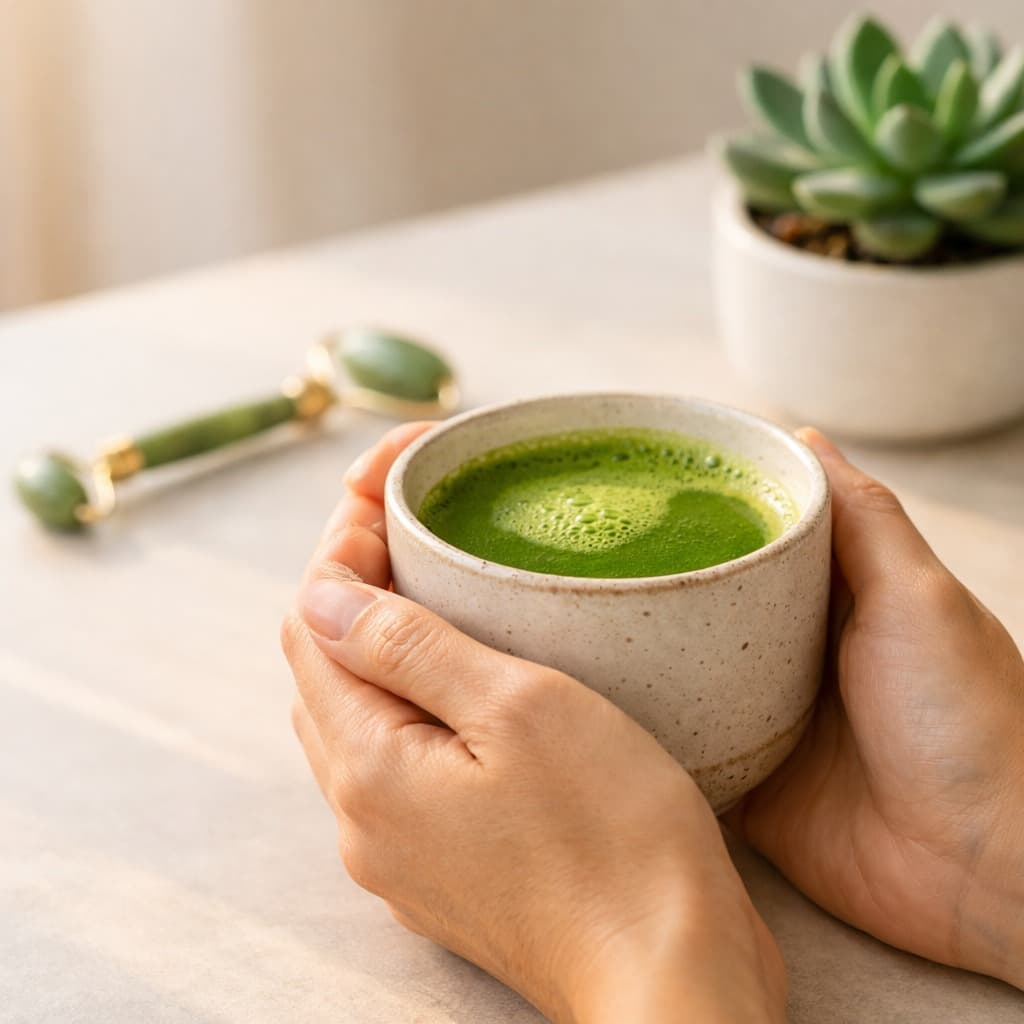
Most "matcha benefits for women" articles say too much. I would rather say less and be useful: watch caffeine, separate matcha from iron-rich meals if iron is an issue, and do not treat matcha as a hormone or skin treatment.
I drink matcha almost daily, but I do not think women need a separate mythology around it. The physiology that matters here is practical: caffeine tolerance, pregnancy and breastfeeding limits, non-heme iron absorption, and whether matcha helps you avoid the second coffee that makes your hands shake.
Jump to:
1. Caffeine, catechins, and iron: the part people skip
Tea polyphenols can reduce non-heme iron absorption. Non-heme iron is the form found in plant foods such as lentils, spinach, beans, and fortified cereals. This matters more for menstruating women, pregnant women, vegetarians, vegans, and anyone already managing low ferritin.
My practical rule is simple: if iron is a concern, do not drink matcha with your iron-rich meal or iron supplement. Separate it by at least one to two hours. Add vitamin C to the meal if appropriate; citrus, peppers, and berries can help non-heme iron absorption.
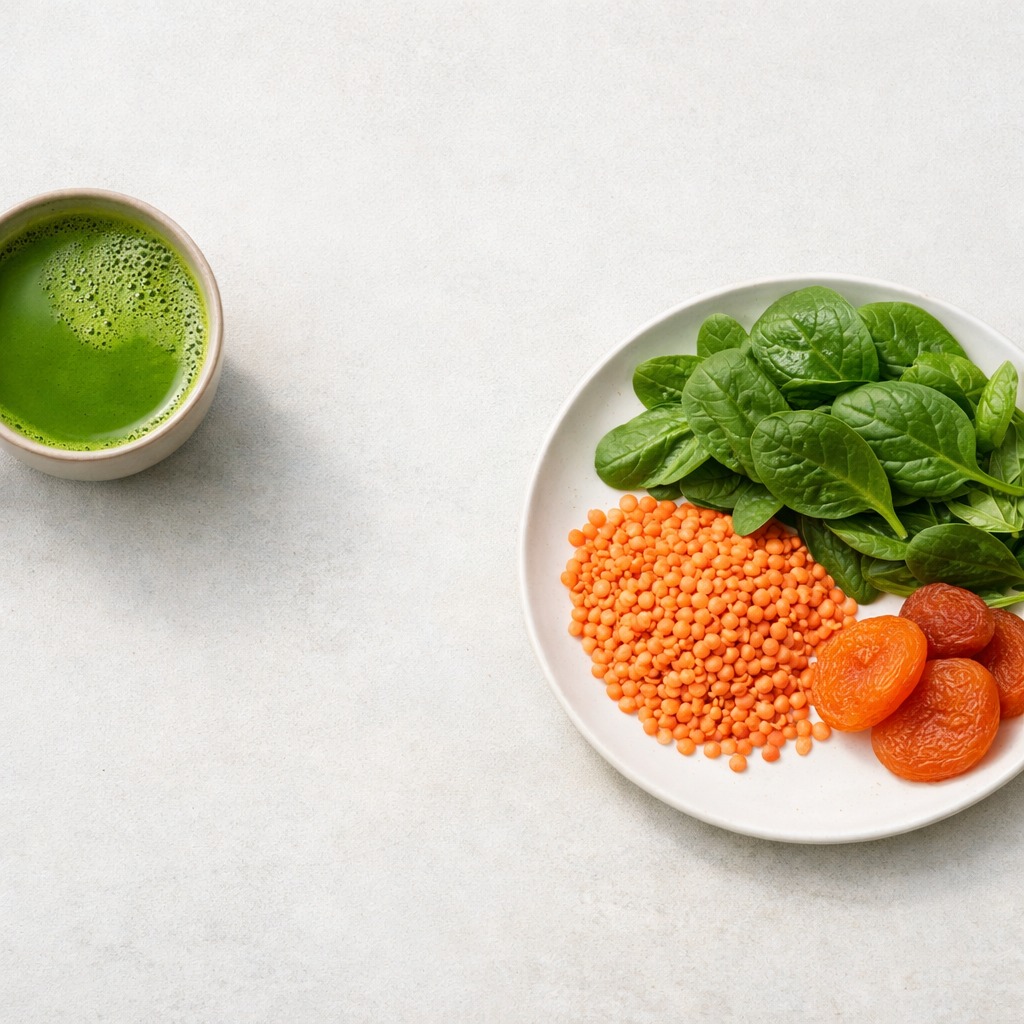
If you have diagnosed iron deficiency, talk to your GP or dietitian about timing. Matcha is not the main cause for most people, but it can be one small habit that makes correction harder. For a deeper explanation, read matcha and iron absorption.
2. Pregnancy and breastfeeding: count total caffeine
Matcha contains caffeine. That is the whole practical issue. ACOG says moderate caffeine intake under 200 mg per day during pregnancy is generally the reference point in the US; NHS guidance also uses 200 mg per day. Breastfeeding guidance is similar in spirit: moderate caffeine is usually tolerated, but babies vary.
A normal 1.5-2 g serving of matcha often fits inside that limit, but the rest of the day counts too: coffee, black tea, cola, energy drinks, chocolate, and some medications. A large cafe matcha may contain more powder than you think.
If you are pregnant, trying to conceive, breastfeeding, have a high-risk pregnancy, or have been given specific medical advice, ask your midwife, OB-GYN, or GP. For the detailed trimester article, read can you drink matcha while pregnant.
3. Energy and focus versus coffee
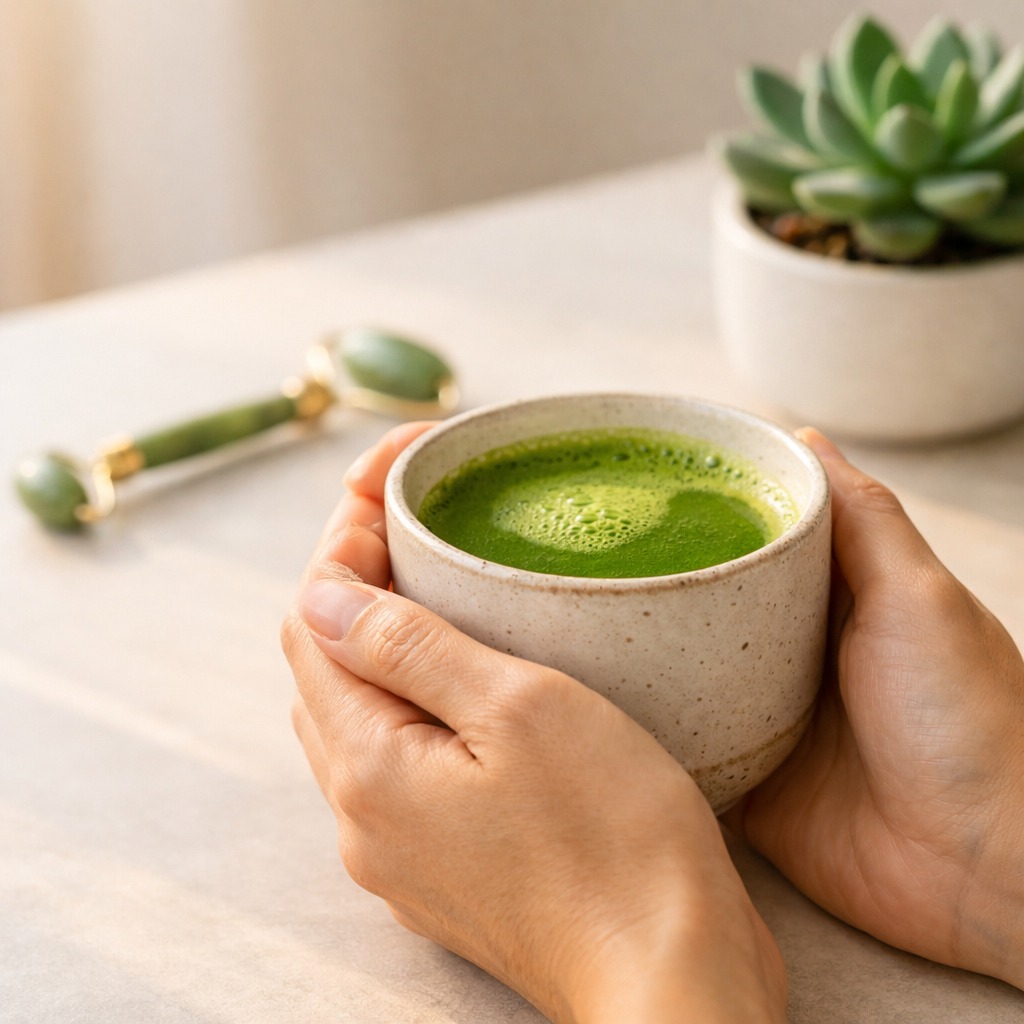
This is where matcha can be genuinely useful. Caffeine plus L-theanine has human evidence for short-term attention tasks. It is not magic, and it does not replace sleep, but many women I speak with use matcha because the energy feels less sharp than coffee.
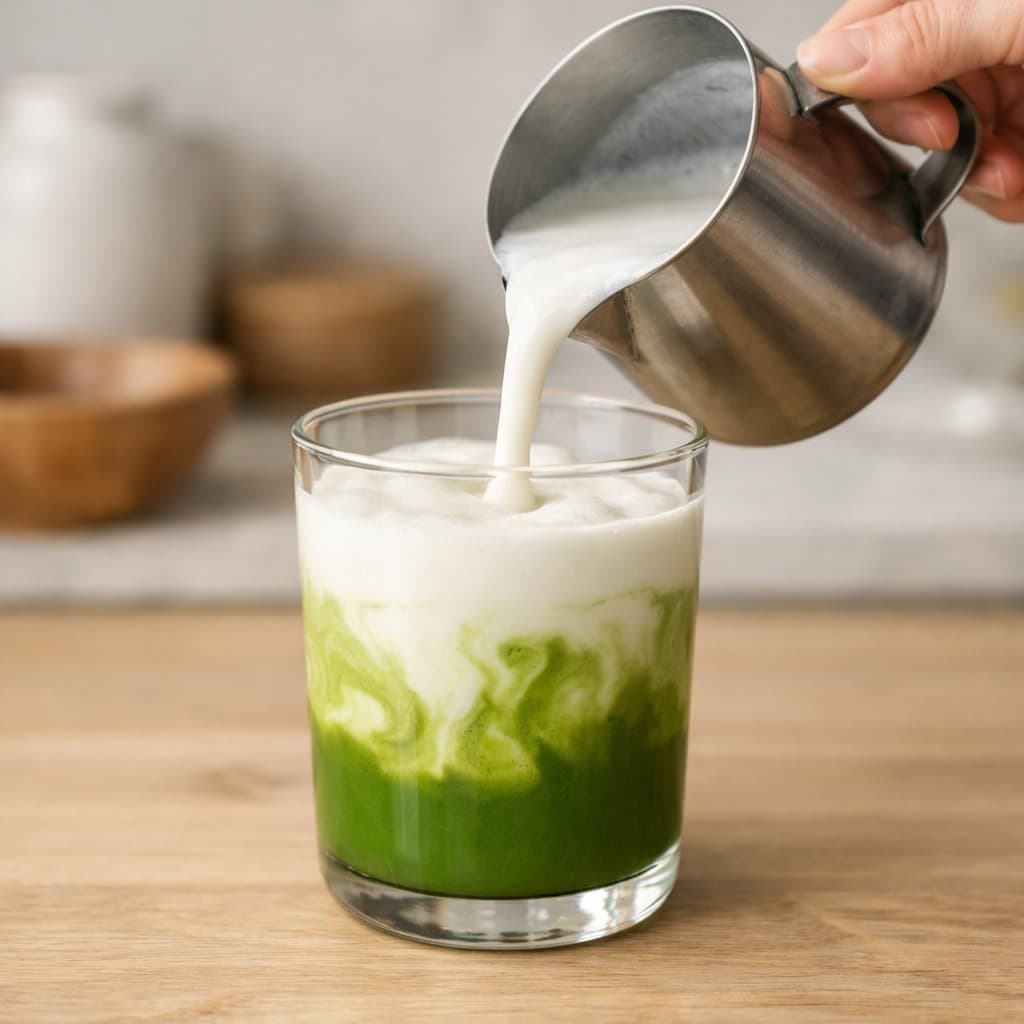
My own working dose is 1.5 g matcha in 70 ml water at 80 °C. If I am making a latte, I go to 2 g because milk softens the tea. I avoid sweet syrups in the first cup of the day because sugar makes the energy feel messier.
For a broader evidence review, see matcha benefits: what science actually says.
Claims I would drop or soften
Hormone balance
I would not claim matcha balances hormones. Blood sugar habits, sleep, stress, medical conditions, contraception, thyroid status, and overall diet are much more important. Matcha can be part of a routine, not a hormone intervention.
Weight loss
Green-tea catechins may have small metabolic effects, but the online claim is usually too big. Plain matcha can help if it replaces a high-sugar drink. It will not override diet, sleep, medication, PCOS, menopause changes, or thyroid problems. Read is matcha good for weight loss for the careful version.
Skin glow
Green tea polyphenols are interesting for oxidative stress, but drinking matcha is not skincare. If your skin changes suddenly, do not troubleshoot it with tea. Talk to your GP or dermatologist.
Hair growth
I would not promise hair growth from matcha. Iron status, thyroid function, protein intake, postpartum changes, and genetics matter far more.
How much matcha should women drink?
For many healthy adults, one serving per day is a sensible starting point. Two can be fine if sleep, anxiety, digestion, and iron timing are all okay. I would be cautious above that unless you know your caffeine tolerance well.
- Start: 1 g matcha if caffeine-sensitive.
- Standard: 1.5-2 g per serving.
- Timing: morning or early afternoon, not close to sleep.
- Iron concern: keep matcha away from iron-rich meals and supplements.
- Pregnancy/breastfeeding: count total caffeine and ask your clinician when unsure.
For general dose safety, read how much matcha per day is safe.
Sources
- NIH Office of Dietary Supplements iron fact sheet
- NCBI Bookshelf on iron absorption inhibitors and enhancers
- ACOG guidance on caffeine in pregnancy
- ACOG breastfeeding FAQ including caffeine
- Human study on caffeine plus L-theanine
Frequently Asked Questions
Is matcha good for women's hormones?
There is limited direct evidence for hormone balance. I would not use matcha as a hormone claim.
Can I drink matcha while pregnant?
Many people can, but total caffeine matters. Keep within your clinician's guidance, often around 200 mg per day, and read the pregnancy guide.
Does matcha help with skin?
It may contribute tea polyphenols, but it is not a skin treatment.
Is matcha good for women's hair?
There is no strong evidence that drinking matcha improves hair growth.
How much matcha should women drink per day?
Often one to two servings, depending on caffeine sensitivity, sleep, pregnancy status, and iron timing.
A sensible daily cup
If matcha fits your routine, keep it simple: good matcha powder, warm water, and a measured serving.
Written by Vytautas Butkus.
Frequently asked
- Is matcha good for women’s hormones?
- There is limited direct research on matcha specifically for hormone balance. What matcha may help with more realistically is steadier energy and focus, and replacing sugary drinks, which can indirectly support habits that affect how you feel.
- Can I drink matcha while pregnant?
- Many people do, but caffeine limits are lower in pregnancy. Check local guidance (often around 200mg caffeine per day), keep servings moderate, and ask a clinician if you have any medical concerns.
- Does matcha help with skin?
- Research on green tea catechins suggests potential skin benefits related to oxidative stress and UV-related redness, but results vary and it is not a skincare treatment. Think of matcha as a supportive habit, not a cure.
- Is matcha good for women’s hair?
- There is not strong evidence that drinking matcha directly improves hair growth. If you enjoy matcha, it can be part of an overall healthy routine, but hair health depends more on protein intake, iron status, thyroid health, and genetics.
- How much matcha should women drink per day?
- For many women, 1 to 2 servings per day is a practical range, depending on caffeine sensitivity. If you are pregnant or managing low iron, pay attention to caffeine limits and iron timing.