Matcha Benefits: What Science Actually Says
 Vytautas Butkus · Japanese culture & matcha expert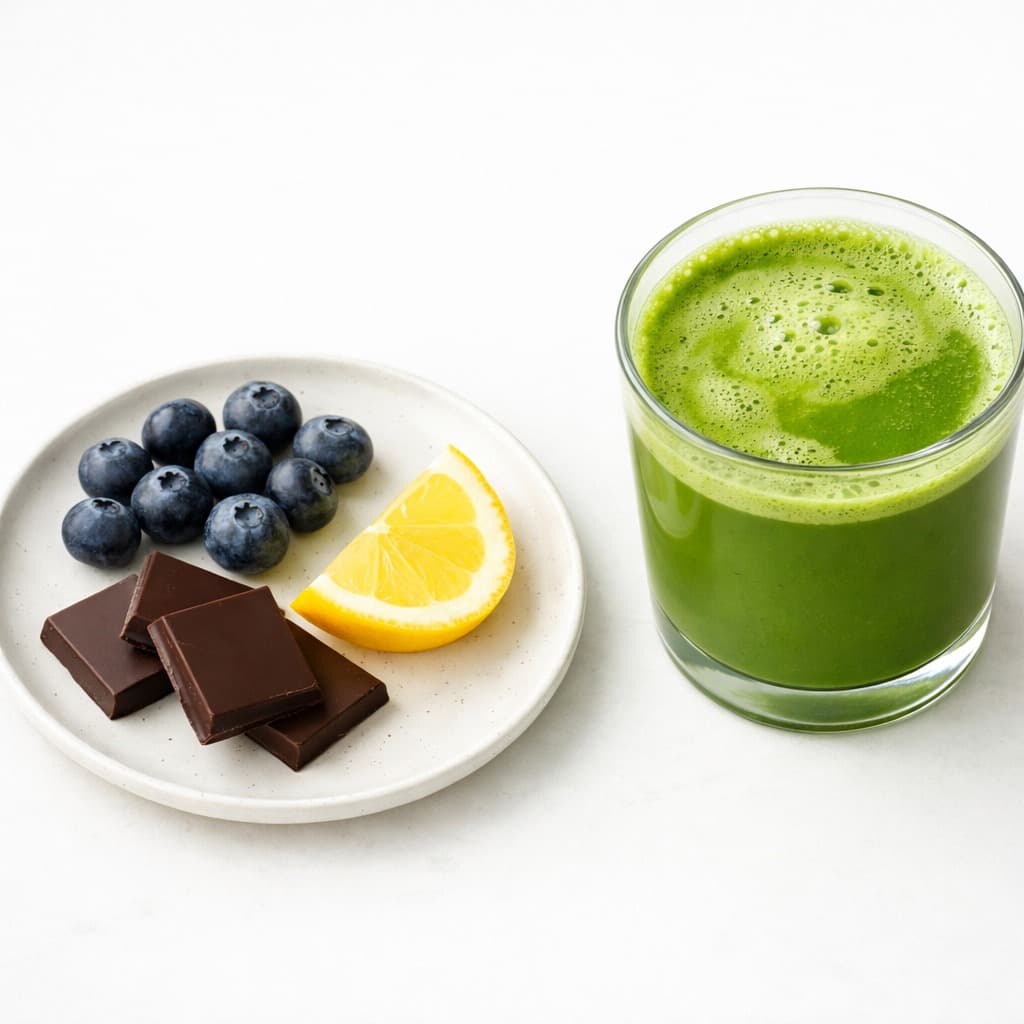
The useful benefits of matcha are narrower than the internet makes them sound. The focus claim has the cleanest human evidence, because caffeine plus L-theanine has been tested in people. The cancer, detox, and dramatic weight-loss claims are the ones I would treat with the most suspicion.
- Most believable: alertness, attention, and a smoother caffeine feel for some people.
- Plausible but modest: antioxidant intake, small changes in metabolic markers, and replacing sugary drinks.
- Overstated: detox, cancer prevention, hormone fixing, and fat loss from matcha alone.
I sell matcha, so this page should be stricter than a normal wellness article. In my own cup I use 1.5 g powder, 70 ml water at about 80 °C, then drink it plain before deciding whether I want milk. That is a normal serving. It is not a pharmacological dose of green-tea extract.
Jump to:
What counts as a matcha benefit?
A benefit should mean something more specific than "green tea is healthy". For me, it has to pass three questions: was it studied in humans, was the dose close to what someone drinks, and would the effect be noticeable outside a lab?
Many matcha claims fail one of those tests. EGCG, the best-known green-tea catechin, looks interesting in cell-culture work. But a dish of cells exposed to a concentrated compound is not a person drinking one bowl of usucha, the thin everyday style of matcha. That distinction matters.
Matcha also gets confused with green-tea extract. Extract capsules can contain catechin doses far beyond a normal drink. EFSA's 2018 safety opinion, for example, discusses liver-marker concerns around supplemental intakes at or above 800 mg EGCG per day. That is not how I prepare matcha in my kitchen.
If you want the broad background first, read what is matcha. This page is the harder question: what does the science actually support?
The three compounds worth knowing
Matcha is powdered tencha, the shaded tea leaf used for matcha. Because you drink the suspended powder, not just an infusion, you get leaf material as well as brewed tea compounds.
Caffeine
Caffeine is the part you feel first. A typical home serving of 1.5-2 g matcha often lands somewhere around a small coffee in perceived effect, though caffeine varies by cultivar, harvest, and dose. If you use 4 g in a large iced latte, you have made a very different drink.
For the caffeine details, see does matcha have caffeine.
L-theanine
L-theanine is the reason matcha does not feel like coffee for many drinkers. Human studies have tested caffeine with L-theanine and found improvements in attention tasks, especially around switching attention and resisting distraction. The doses in studies are controlled; a bowl of matcha is messier. Still, this is the claim I trust most.
Catechins, including EGCG
Catechins are tea polyphenols. They are real. They are measurable. They are also where marketing gets loose. Antioxidant activity is not a promise that matcha will prevent disease. It means matcha contributes plant compounds that are actively studied, mostly in green tea rather than matcha-specific trials.
Matcha benefits: strongest to weakest evidence
I rank the claims this way when customers ask me at markets in the Netherlands. It saves everyone time.
1. Focus and alertness: the cleanest claim
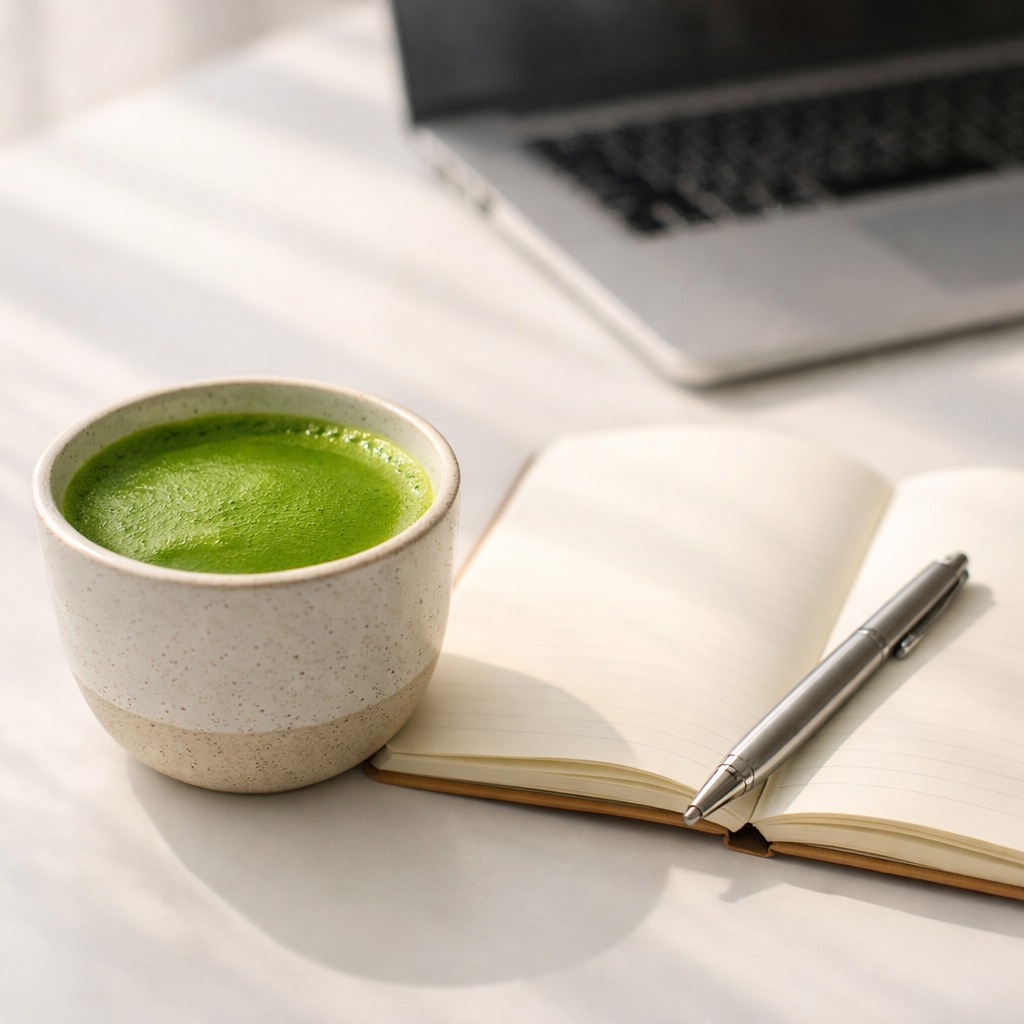
This is the claim I am comfortable making. Caffeine improves alertness. L-theanine appears to change the feel of that stimulation for some people. Studies using caffeine plus L-theanine in humans show short-term attention benefits, including one trial using 50 mg caffeine with 100 mg L-theanine and another using 40 mg caffeine with 97 mg L-theanine.
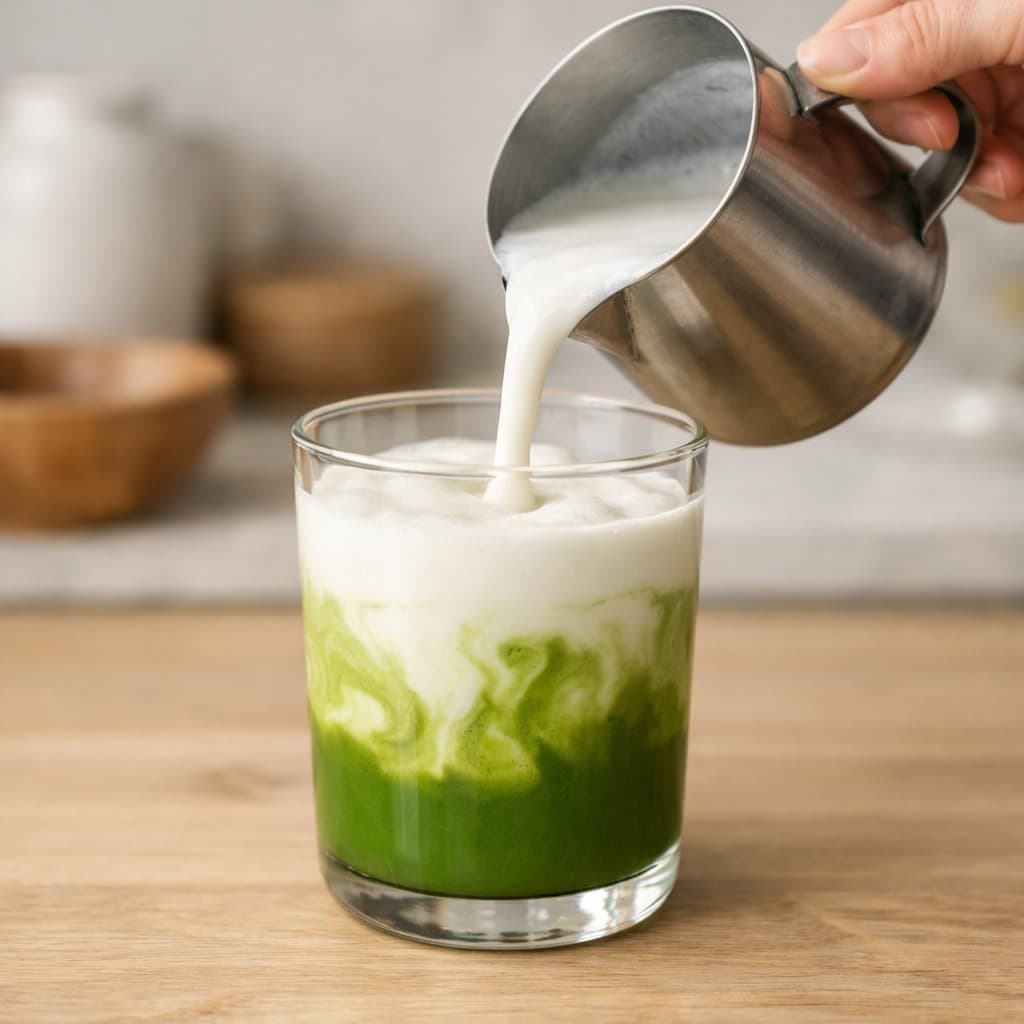
My practical version: 1.5 g matcha, 70 ml water at 80 °C, whisked with a chasen, a bamboo whisk. Drink it before deep work, not at 16:30 when your sleep is already at risk.
2. Smoother energy than coffee: plausible, personal
Many people say matcha gives them fewer jitters than coffee. I believe the experience is real, but it is not guaranteed. If you are caffeine-sensitive, matcha can still make you anxious. If you add syrup and drink it on an empty stomach, it may feel nothing like the calm cup people describe online.
The most reliable way to test it is boring: use the same dose for a week. Do not compare a double espresso to a weak matcha latte and call it science.
3. Antioxidant intake: true, but not magical
Matcha contributes catechins, and shade-growing increases some compounds that affect taste and colour. That is meaningful, but "high in antioxidants" is not a clinical outcome. It is a characteristic of the tea.
The honest benefit is often substitution. If matcha replaces a sugary drink, that is a clear win. If it becomes a sweet dessert drink on top of everything else, the antioxidant story becomes less interesting.
4. Heart and metabolic markers: possible, usually small
Green-tea studies sometimes show modest improvements in cholesterol, blood pressure, or fat oxidation. The word modest is doing work here. These are not the effects of a medicine, and they are not specific to every matcha powder.
For weight management, I would rather talk about routines than metabolism. A plain matcha has few calories. A large latte with sweetened milk does not. If you want that deeper topic, read is matcha good for weight loss.
5. Calm: possible, but caffeine sets the limit
L-theanine is interesting for relaxation. Matcha, however, is caffeinated. A drink can feel calmer than coffee and still be the wrong choice for someone prone to panic, insomnia, or palpitations.
My rule: if matcha makes you wired, reduce the dose before you blame the tea. Start at 1 g. Use water, not sugar, as the variable.
6. Cancer prevention and detox: I would not sell matcha this way
The cancer-prevention literature around green tea is messy. A lot of it is observational, cell-culture, animal work, or extract research at doses nobody gets from a morning bowl. It can be scientifically interesting and still be a poor claim for a product page.
"Detox" is worse. Your liver and kidneys do that work. Matcha is a drink, not a cleanup crew.
How I drink matcha without turning it into a supplement
My daily range is one or two servings. I keep the dose visible: 1.5-2 g for usucha, sometimes 2.5 g if I am making an iced latte. I avoid boiling water because it pulls harshness forward; 75-80 °C is usually enough.
If you are pregnant, breastfeeding, managing anxiety, taking medication, or dealing with iron deficiency, caffeine and timing matter. For pregnancy, see can you drink matcha while pregnant. For side effects, see matcha side effects.
High-dose green-tea extracts are a different category from a bowl of matcha. I do not use them, and I do not recommend treating matcha powder like a capsule.
What I actually believe after reading the literature
I believe matcha is a good daily drink when the dose is sensible and the claims stay close to the evidence. The focus benefit is the strongest. The smoother energy is real for many people, including me, but it is individual. The antioxidant story is legitimate but oversold. The dramatic disease-prevention claims are where I step away. Matcha has earned a place in my morning because it is precise, quiet, and repeatable: powder, water, whisk, attention. That is enough.
More matcha benefits guides
Matcha benefits for women
For iron timing, pregnancy, and caffeine sensitivity, read matcha benefits for women.
What does matcha do for you?
For the everyday effects people notice, see what does matcha do for you.
Matcha calories
Plain matcha is low calorie; the latte is where the numbers change. Read matcha calories and nutrition facts.
Sources I trust for this topic
- Human study on caffeine plus L-theanine and cognitive performance
- Human study on L-theanine plus caffeine and attention
- EFSA scientific opinion on green tea catechin safety
- NCCIH overview of green tea
- Harvard Health overview on green tea
Frequently Asked Questions
How much matcha should I drink for health benefits?
Most people should start with one serving a day and adjust from there. I would define one serving as roughly 1.5-2 g matcha, not an oversized cafe drink with several scoops.
Is matcha healthier than coffee?
Not automatically. Matcha has L-theanine and tea catechins; coffee has its own evidence base. Choose based on caffeine tolerance, sleep, and what you add to the cup.
Does matcha help with anxiety?
It can feel calmer than coffee for some people, but it still contains caffeine. If you are prone to anxiety, start with 1 g and talk to your clinician if caffeine affects your symptoms.
Can matcha help you lose weight?
Only modestly, if at all. The bigger effect is whether matcha helps you replace higher-sugar drinks or keep a steady routine.
Is it safe to drink matcha every day?
For most healthy adults, one or two normal servings is reasonable. Be more careful with total caffeine, iron timing, pregnancy, and concentrated green-tea extract supplements.
Written by Vytautas Butkus.
Frequently asked
- How much matcha should I drink for health benefits?
- Most people start with one serving a day and adjust based on caffeine tolerance and sleep. There is no single "perfect" amount that works for everyone.
- Is matcha healthier than coffee?
- Both coffee and tea have research behind them. Matcha contains caffeine and L-theanine, which some people find feels smoother than coffee, but it depends on the person.
- Does matcha help with anxiety?
- L-theanine may support relaxation, but matcha also contains caffeine which can worsen anxiety in sensitive people. Start with a small serving if you are prone to anxiety.
- Can matcha help you lose weight?
- Some research on green tea catechins suggests a small effect, but it is not dramatic. Matcha can support a routine, but it is not a weight loss solution on its own.
- Is it safe to drink matcha every day?
- For most people, yes, as long as total caffeine intake is sensible. It is also wise to be cautious with high-dose green tea extract supplements.
- Is matcha good for you?
- For most people, matcha can be a good daily drink in sensible amounts. It offers tea compounds and caffeine, but the best results come from consistent habits and realistic expectations.
- What are the benefits of matcha?
- The main benefits people look for are steadier energy, focus, and a simple swap for sugary drinks. Research also suggests antioxidant and metabolic support, but effects are usually modest.
- Is matcha tea good for you?
- Matcha tea can fit a healthy routine, especially when you keep sugar low and manage caffeine timing. The dose and your personal tolerance matter more than hype claims.
- Does matcha give you energy?
- Yes, matcha contains caffeine which provides energy. The L-theanine in matcha may help make the energy feel steadier and calmer compared to coffee, though this varies by person.