Matcha Recipes: 12 Ways to Use Matcha
 Vytautas Butkus · Japanese culture & matcha expert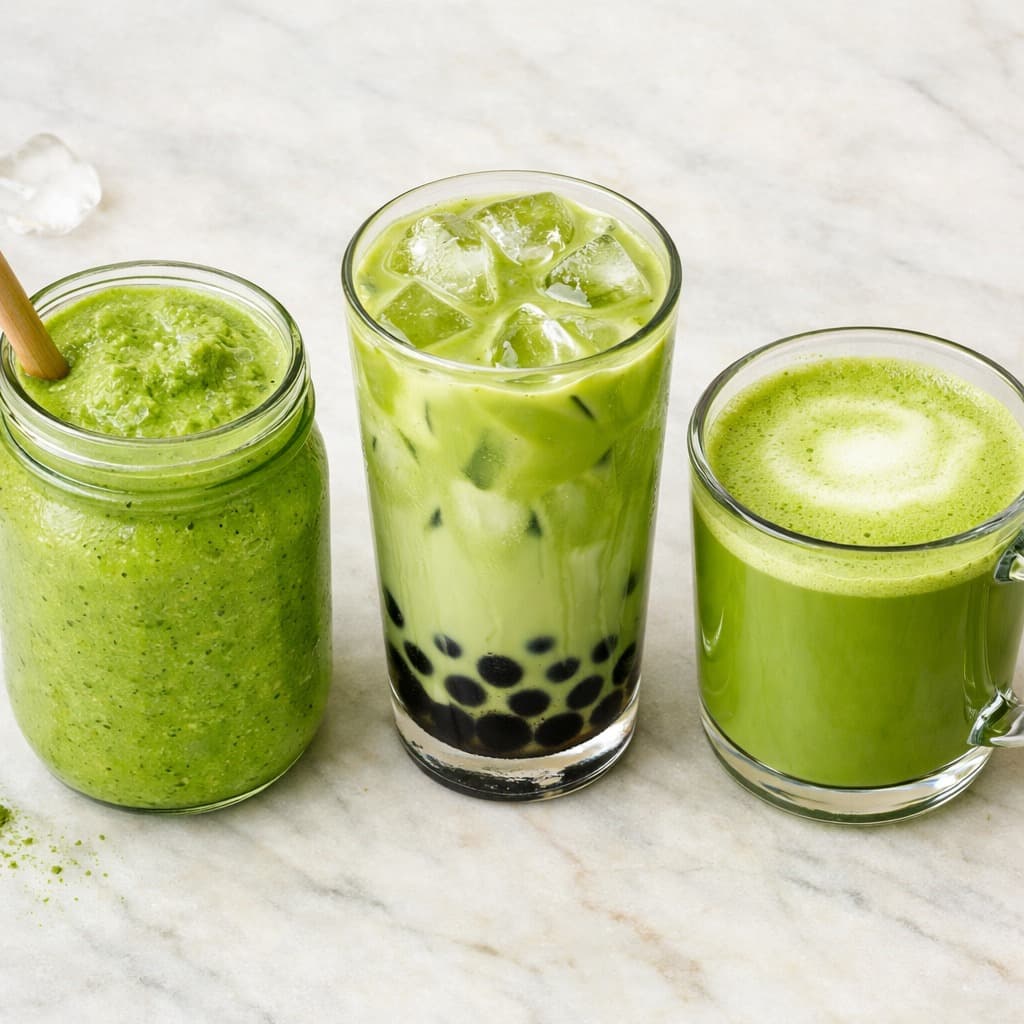
I would rather give you eight matcha recipes that earn their place than twelve ideas that read like a content calendar. These are the ones I actually return to: three weekly drinks, three desserts for guests, and two recipes I make only when the matcha quality is good enough to taste through fat and sugar.
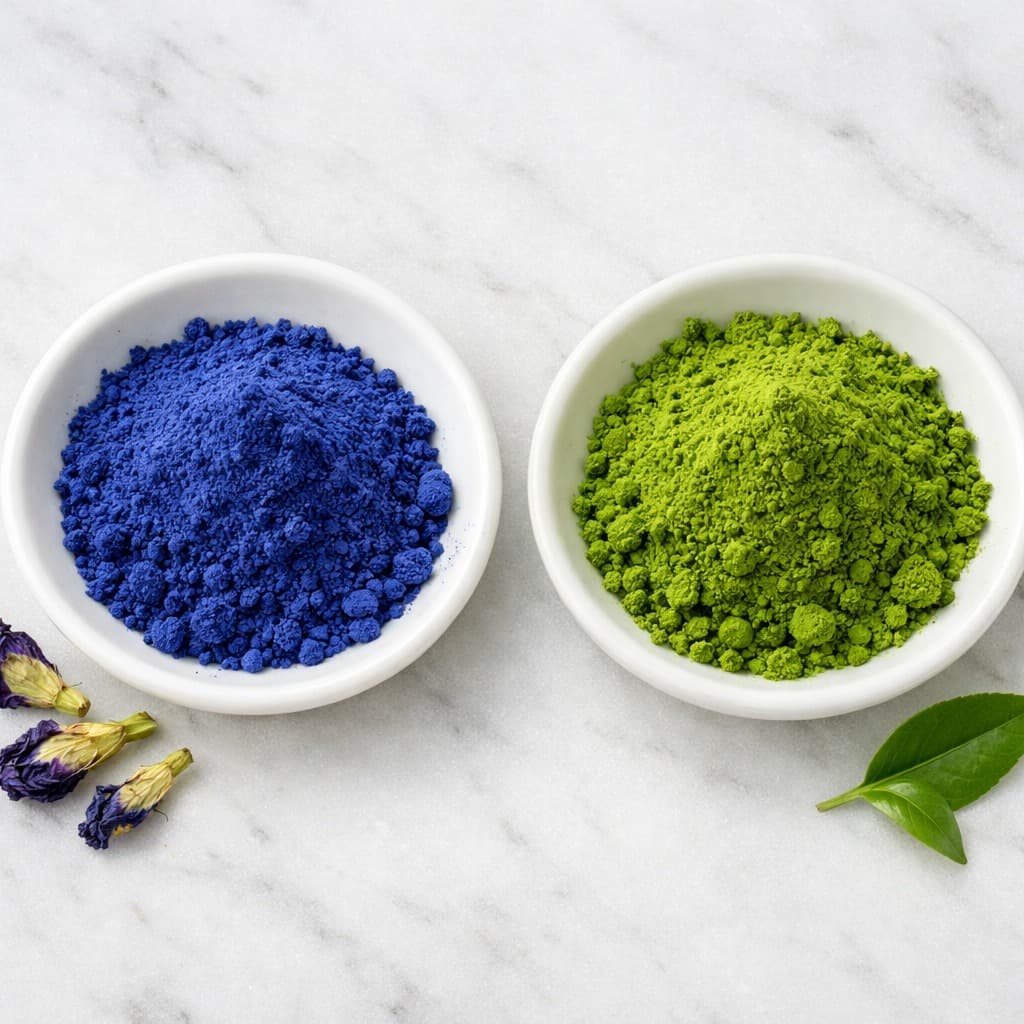
The rule is simple. Use ceremonial or premium matcha for drinks where the powder is exposed. Use culinary matcha for baking and ice cream, because heat, butter, and sugar flatten the finer aromas. Sift every time. I know it feels fussy. It saves the recipe.
Jump to:
Three matcha recipes I make weekly
These are not special-occasion recipes. They work on a weekday morning in the Netherlands, when the water is heating and the kitchen is still cold.
1. Plain usucha
This is the baseline: 1.5 g matcha, 70 ml water, 75-80 °C, whisked fast with a chasen, the bamboo whisk. If the matcha tastes harsh here, milk will hide it but not fix it.
Tip: warm the bowl first. A cold bowl drops the water temperature quickly and makes the foam thinner. Use how to make matcha for the full method.
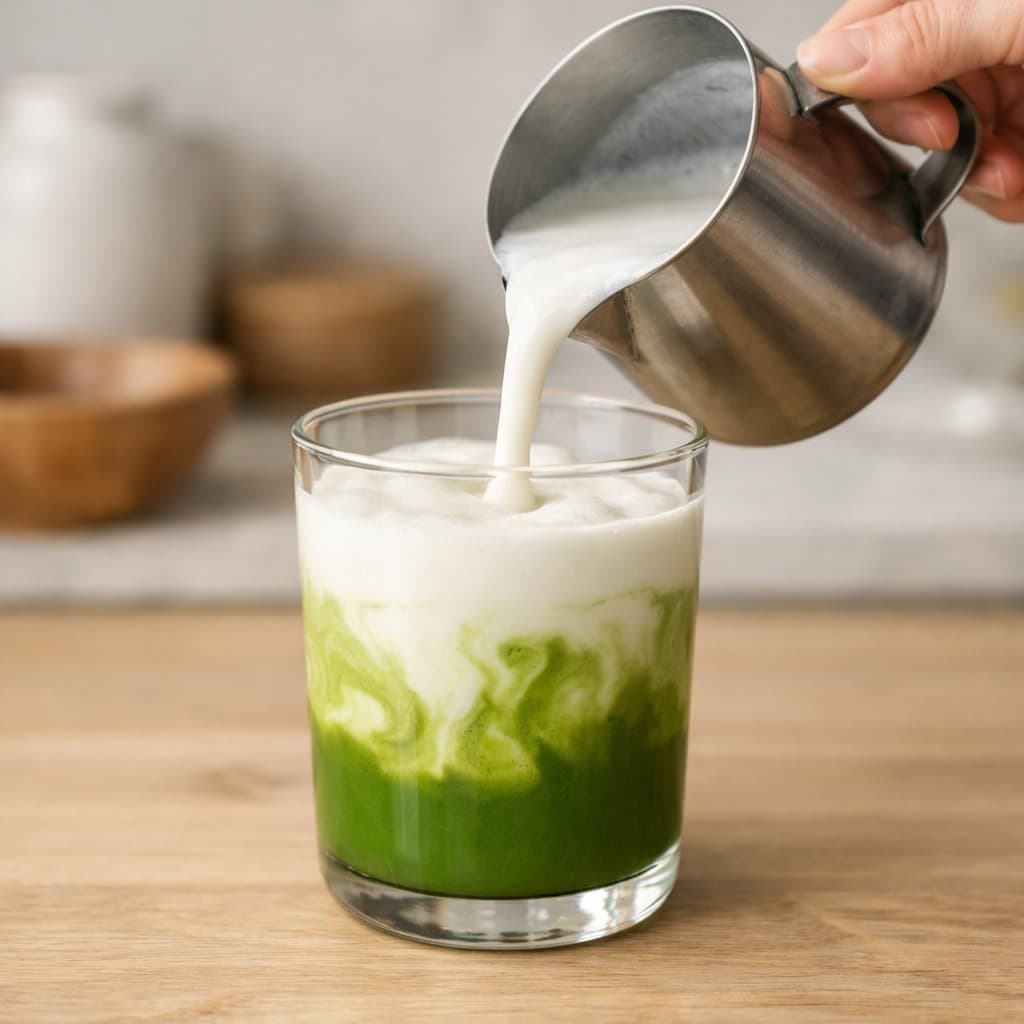
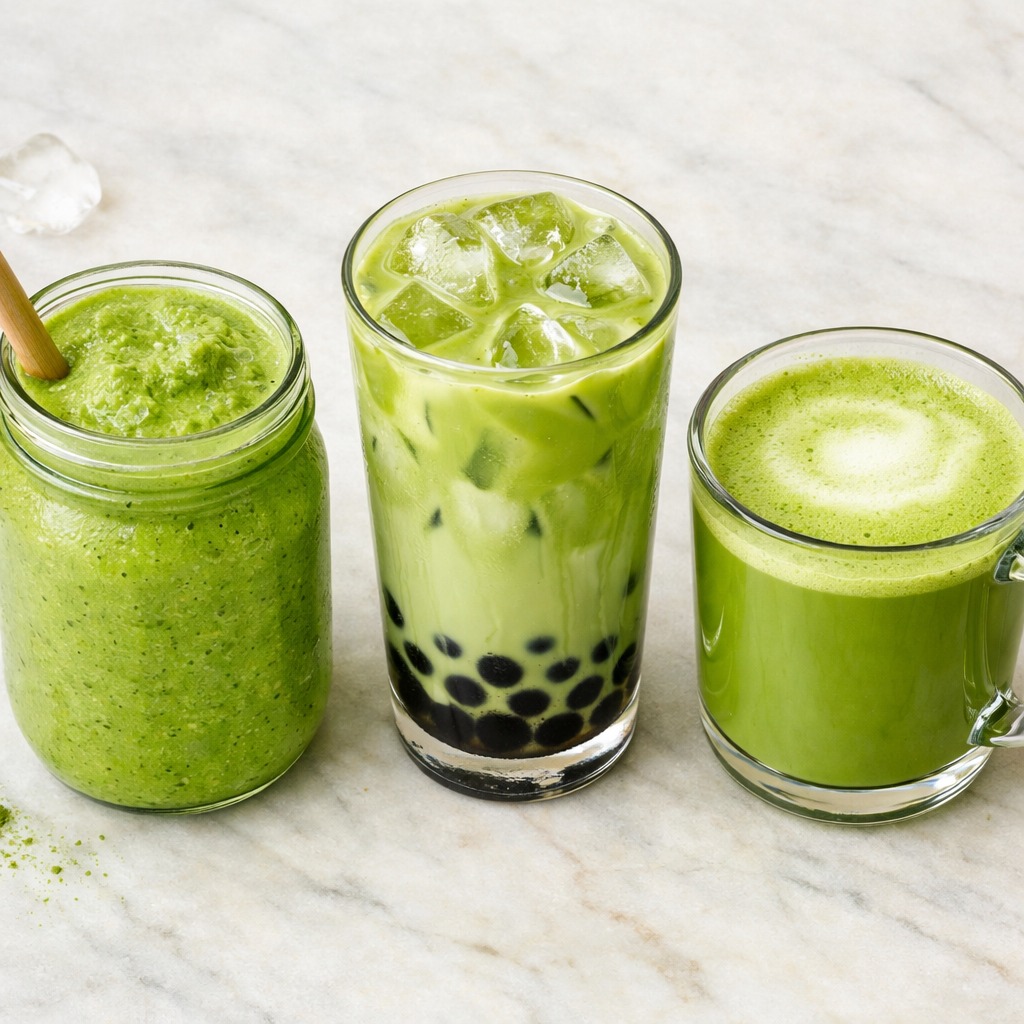
2. Iced matcha latte
I make this with 2 g matcha, 30 ml warm water, ice, and 180-220 ml milk. Oat milk is forgiving; dairy tastes cleaner if the matcha is good.
Tip: whisk the matcha separately before it touches milk. Powder dumped into cold milk clumps, even if the glass looks beautiful. See iced matcha latte recipe.
3. Matcha smoothie
Matcha works best in a smoothie with banana, yoghurt, or oat milk. It gets lost in too much berry acidity. I use 1 g, not 3 g. More is not better; it becomes grassy.
Tip: blend the matcha with a splash of liquid first or sift it directly over the blender. Read matcha smoothie recipe.
Three matcha recipes I make for guests
These have enough structure to feel like dessert, but they still taste like tea rather than green vanilla.
4. Matcha cake
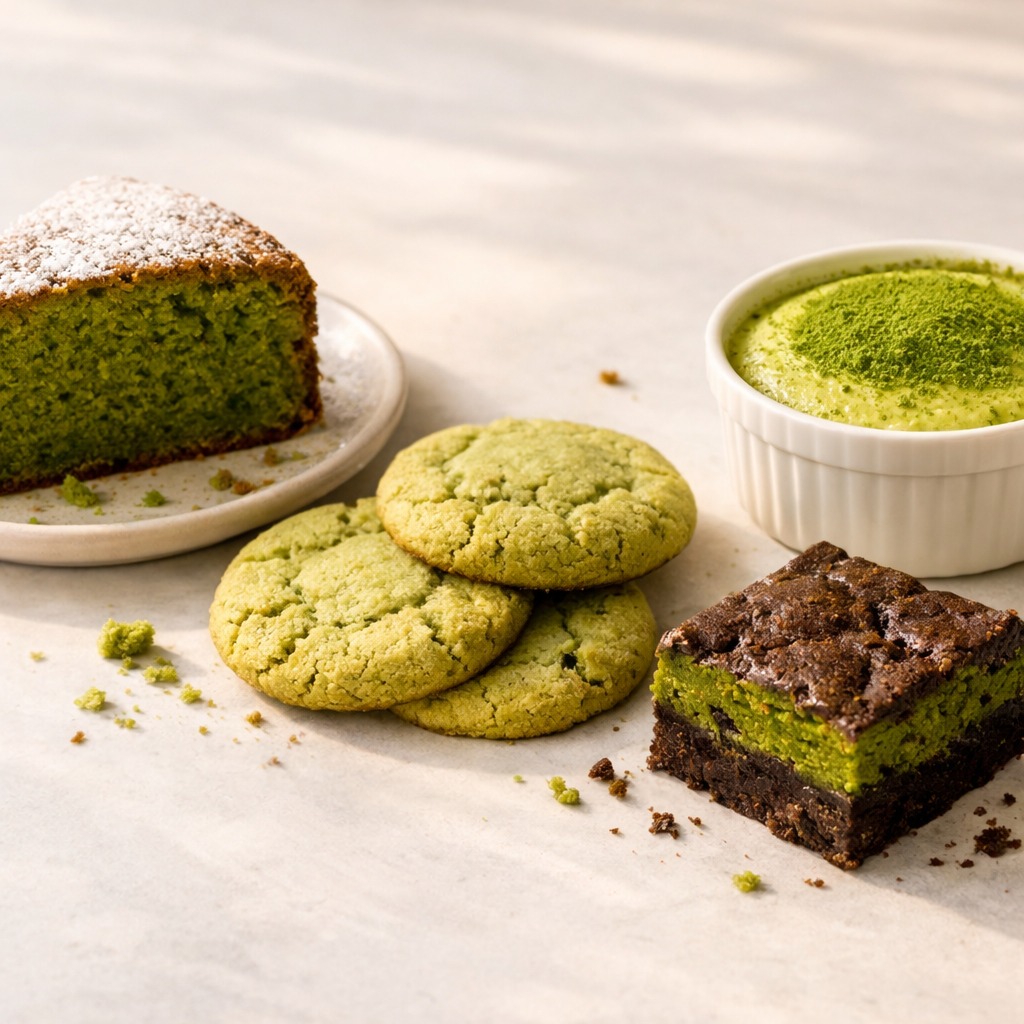
For cake, culinary matcha is correct. Ceremonial powder is wasted once eggs, butter, flour, and heat get involved. I use 10-15 g for a 20 cm cake, depending on how sweet the frosting is.
Tip: sieve matcha with the flour and baking powder, never into the wet mix. Clumps do not dissolve in batter. Use matcha cake recipe.
5. Matcha cookies
Cookies are less forgiving than cake because the dough is dense. Matcha that tastes dull before baking becomes flatter after baking.
Tip: chill the dough for at least 30 minutes. It keeps the cookie from spreading thin, which protects colour and texture. See matcha cookies recipe.
6. Matcha brownies
White chocolate and matcha are a better pairing than dark chocolate here. Dark chocolate often bullies the tea. White chocolate gives fat, sweetness, and a clean background.
Tip: pull them from the oven when the centre still looks slightly soft. Overbaked matcha brownies turn khaki and dry. Read matcha brownies recipe.
Two recipes that need better matcha
These are worth making, but only if you respect the powder. Bad matcha has nowhere to hide.
7. Matcha ice cream
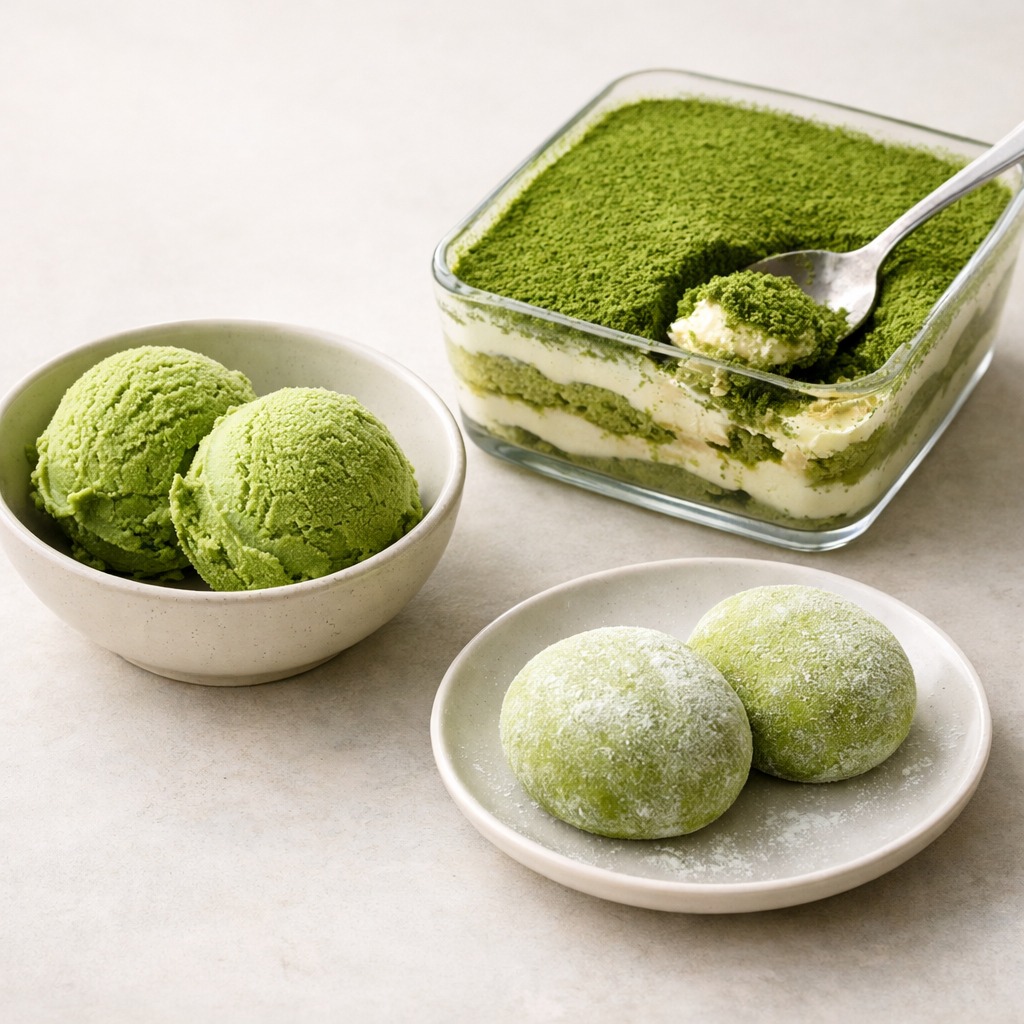
No-churn ice cream is one of the best uses for culinary or premium matcha. Cold dulls aroma, so you need enough powder to survive the freezer. I use 10-15 g per 400 ml cream.
Tip: make a paste with hot water before folding into cream. Dry matcha folded straight into whipped cream leaves dusty green streaks. Use matcha ice cream recipe.
8. Blueberry matcha
I was suspicious of this one because fruit matcha often turns into a colour trick. Blueberry works when the syrup is slightly acidic and not too jammy. The tea has to stay visible.
Tip: keep the matcha layer unsweetened and let the blueberry milk carry the sugar. Try blueberry matcha recipe.
What I would not include just to reach twelve
I do not love matcha pancakes. The pan heat browns the outside before the tea tastes clean. I also skip matcha cocktails unless the bartender understands bitterness; most just add green powder to sugar and call it Japanese. Matcha bubble tea is fun, but I treat it as a cafe drink, not something I make often at home. If you want it anyway, use matcha bubble tea recipe.
My rules before adding matcha to recipes
- Sift first: matcha clumps are compressed powder, not a mixing problem you solve later.
- Choose grade by use: ceremonial for water and clean lattes; culinary for baking and ice cream.
- Control heat: long baking and boiling water both push bitterness forward.
- Pair with fat: milk, cream, butter, or white chocolate can soften bitterness without hiding the tea.
- Use grams: "one teaspoon" changes wildly with matcha density. A small scale is cheap accuracy.
More matcha latte ideas
For cafe-style drinks, try how to make a matcha latte, strawberry matcha latte, vanilla matcha latte, or dirty matcha latte.
Frequently Asked Questions
What grade of matcha is best for baking?
Culinary or premium grade. Ceremonial matcha is better saved for water or simple lattes where you can taste the finish.
Can I use matcha in any recipe?
No. It works best where sweetness and fat balance bitterness. It performs badly in recipes with long high heat or heavy acidity.
How much matcha should I use in recipes?
Most home recipes use 5-15 g per batch. Drinks are smaller: usually 1-2.5 g per serving.
Does matcha lose its flavour when baked?
Some aroma and colour fade with heat. Sifting, using enough powder, and not overbaking help.
Can I substitute matcha for green tea?
Usually no. Brewed green tea is mostly water; matcha is powdered leaf. They behave differently.
The matcha matters more than the recipe title
If you are making drinks, start with Popcha matcha powder. If you want the whisk, bowl, and scoop too, the traditional matcha kit is the neater start.
Written by Vytautas Butkus.
Frequently asked
- What grade of matcha is best for baking?
- Culinary or premium grade matcha is usually best for baking. It has enough flavour to come through sugar, butter, and cream, and you do not need to spend extra on ceremonial grade for most recipes.
- Can I use matcha in any recipe?
- You can add matcha to many sweet recipes, but it works best where there is some fat and sweetness to balance bitterness. Start with tested recipes first, then adapt your own once you know the flavour strength you prefer.
- How much matcha should I use in recipes?
- Most home recipes use about 5-15g depending on batch size and sweetness. If you are unsure, start lower, taste, and increase next time.
- Does matcha lose its flavour when baked?
- Some flavour and colour can soften with heat, especially if overbaked. Sifting matcha, using enough quantity, and avoiding long bake times helps keep the taste clear.
- Can I substitute matcha for green tea in recipes?
- Not directly in most cases. Matcha is powdered whole leaf, while brewed green tea is mostly water, so they behave differently in texture and flavour concentration.