Is Matcha Gluten Free?
 Vytautas Butkus · Japanese culture & matcha expert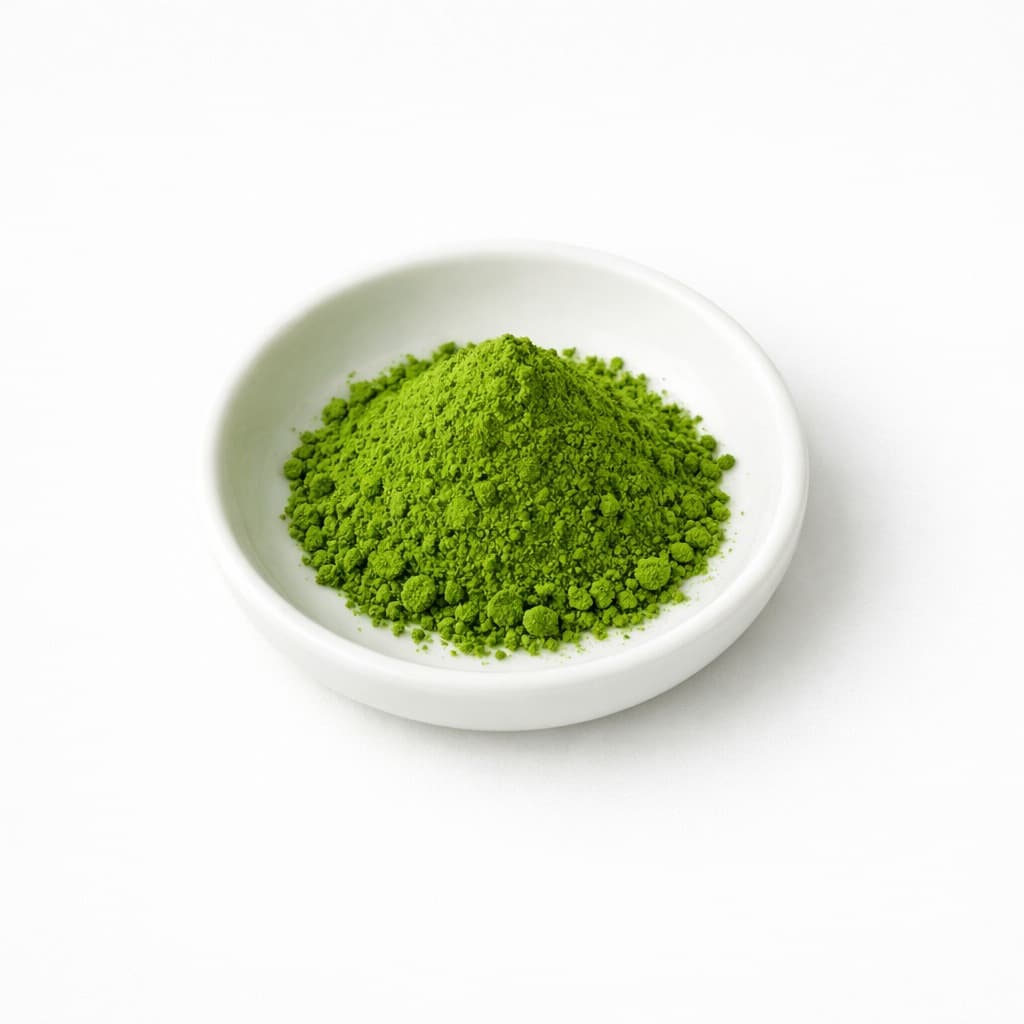
Is matcha gluten free? Yes, pure matcha is naturally gluten free because it is made from ground green tea leaves, not wheat, barley, or rye. For most people, plain single-ingredient matcha is suitable for a gluten-free diet. The main caution is cross-contamination or added ingredients in flavoured blends, so always check labels if you have coeliac disease.
What you'll learn:
We sell matcha, so we want to be transparent about what is in it and what to look for if you avoid gluten. This guide focuses on plain facts so you can choose confidently.
Is matcha gluten free?
Yes. Pure matcha is a single-ingredient product made by grinding green tea leaves into a very fine powder. Tea leaves do not contain gluten, so plain matcha is naturally gluten free.
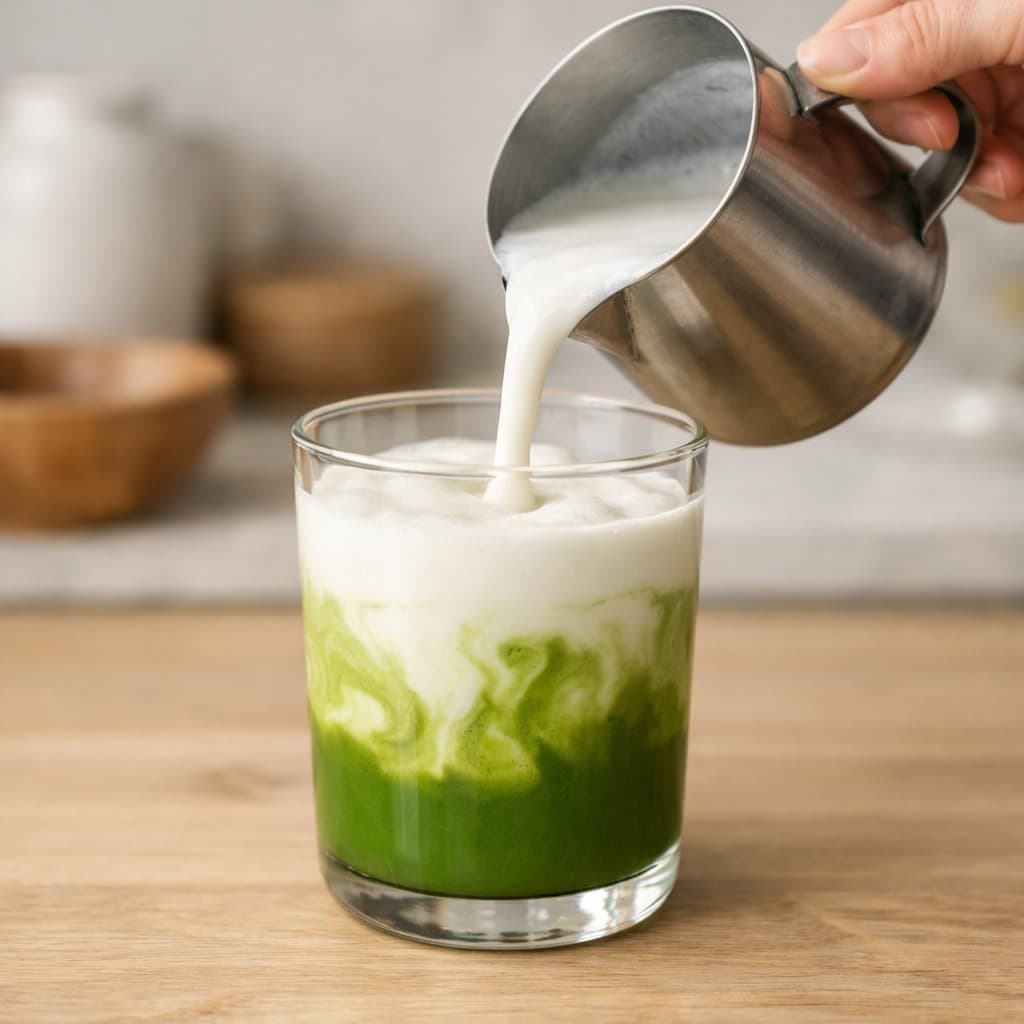
That is true whether you drink it with hot water or in a latte recipe. Pure matcha is also naturally dairy free and vegan, because there are no animal ingredients in the powder itself.
If you are new to the ingredient, this explainer covers the basics: what is matcha and what is matcha made of.
Why might someone worry about gluten in matcha?
The concern is usually not the tea leaf itself. It is what can happen during manufacturing, packing, or product formulation.
Cross-contamination risk
Some facilities process multiple powders on shared equipment. If wheat- or barley-based products are handled in the same environment, there can be cross-contact risk for people with coeliac disease.
Confusion with flavoured products
Many shoppers search for "matcha" but end up buying sweetened matcha latte mixes or café powders. These can include ingredients beyond tea, and that is where gluten can appear.
Different rules for sensitivity levels
Someone avoiding gluten by preference may feel fine with most plain matcha. Someone with diagnosed coeliac disease usually needs stricter assurance, including label checks and, where possible, certification.
What about matcha blends, premixes, and flavoured products?
This is where you need to read the ingredients carefully. Not all matcha products are just tea.
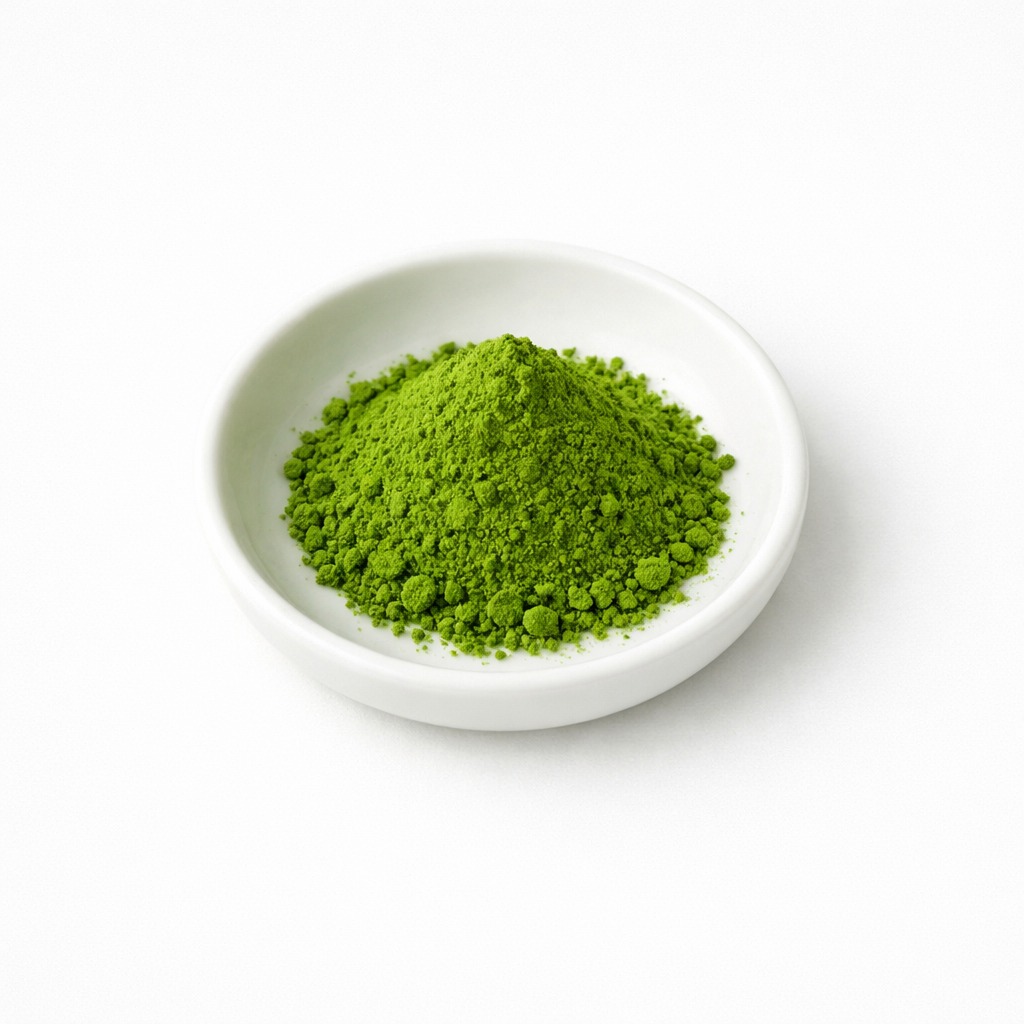
- Plain matcha powder: usually one ingredient, tea leaves, and naturally gluten free.
- Sweetened latte mixes: may include flavourings, thickeners, or cereal-derived additives.
- Flavoured blends: can include barley malt flavouring or other non-tea ingredients.
- Café drinks: recipes vary by brand, and some powders are premixed.
If the label does not clearly list ingredients, treat it as unknown and check before buying, especially if you need strict gluten control.
How to check if your matcha is gluten free
A quick label routine helps you avoid surprises.
- Check the ingredient list first. You want one ingredient, usually "green tea" or "matcha green tea powder".
- Look for allergen statements. Check for notes about wheat, barley, rye, or shared equipment.
- Look for gluten-free certification when needed. This matters most for coeliac disease.
- Avoid vague premixes. If a product hides exact ingredients, skip it.
- Choose plain powder over latte sachets. Fewer ingredients usually means lower risk.
If you also monitor digestion or tolerance, this guide may help: matcha side effects. For nutrition context, see matcha calories.
Matcha and coeliac disease
For people with coeliac disease, pure matcha is generally considered suitable in principle because tea leaves are gluten free. The practical question is manufacturing control and contamination prevention.
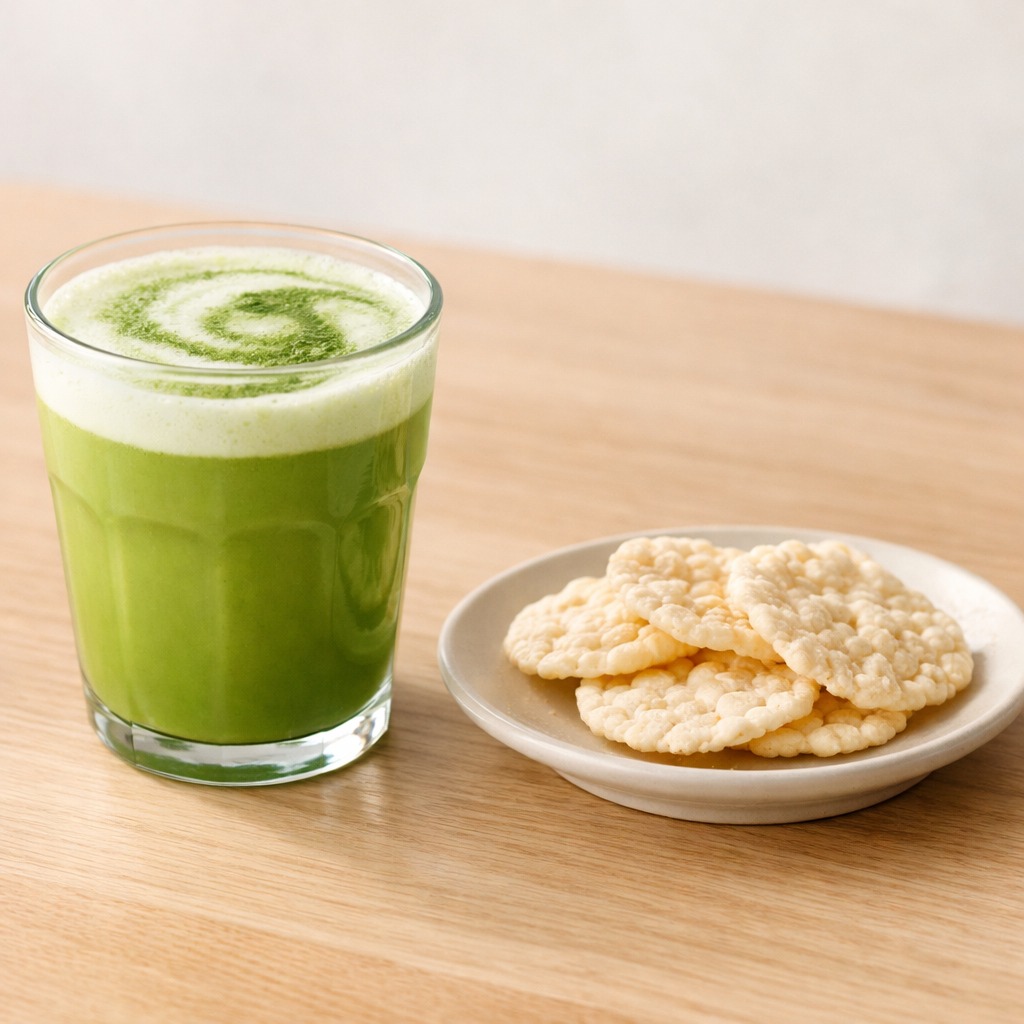
Coeliac UK guidance emphasises checking labels and avoiding uncertain products if gluten status is unclear. That approach applies to matcha too, especially for blends and café drinks where full ingredient sourcing is not always obvious.
If you have coeliac disease or a medically diagnosed gluten-related condition, choose brands that clearly state gluten-free status or provide transparent production details. When in doubt, ask the brand directly.
Quick buyer checklist
- Single ingredient: matcha green tea powder
- No flavourings or premix ingredients
- Clear allergen and facility information
- Gluten-free certification if you need strict reassurance
- Transparent brand support for ingredient questions
Pure matcha is simple by nature. The closer your product is to that simplicity, the easier gluten-free decisions become.
Related reading
Frequently Asked Questions
Is matcha latte gluten free?
It depends on ingredients. A homemade latte using pure matcha and milk is usually gluten free, but premixes and café powders can include additives, so always check.
Can people with coeliac disease drink matcha?
Pure matcha is naturally gluten free, but people with coeliac disease should verify cross-contamination controls and label details before use.
Does matcha powder contain allergens?
Plain matcha is usually a single-ingredient tea product. Allergen risk mainly comes from blended or flavoured products, not pure powder.
Is matcha dairy free?
Yes, plain matcha powder is naturally dairy free and vegan. Dairy only appears if you add milk in a recipe.
Are all matcha mixes gluten free?
No. Some sweetened or flavoured mixes may contain gluten-containing additives, so ingredient labels are essential.
Keep it simple with pure matcha
Pure matcha is just ground tea leaves, nothing else. No fillers, no additives. Explore Popcha Matcha Powder if you want a clean, single-ingredient option.
Sources
- Coeliac UK: Understanding food labels on a gluten-free diet
- NHS: Coeliac disease treatment and gluten-free diet guidance
Written by the Popcha team. Last updated: March 2026.
Frequently asked
- Is matcha latte gluten free?
- A homemade latte made with pure matcha is usually gluten free, but some premixes and café powders include extra ingredients. Always check the label.
- Can people with coeliac disease drink matcha?
- Pure matcha is naturally gluten free, but people with coeliac disease should confirm cross-contamination controls and product labelling before use.
- Does matcha powder contain allergens?
- Plain matcha is typically a single-ingredient tea product. Allergen concerns are more common in flavoured blends or premixes.
- Is matcha dairy free?
- Yes, plain matcha powder is naturally dairy free and vegan. Dairy only appears when milk is added in recipes.
- Are matcha mixes gluten free?
- Not always. Some mixes contain additives or flavourings that may include gluten-containing ingredients.